
08/09/2026 / Broadcast Revolution HQ


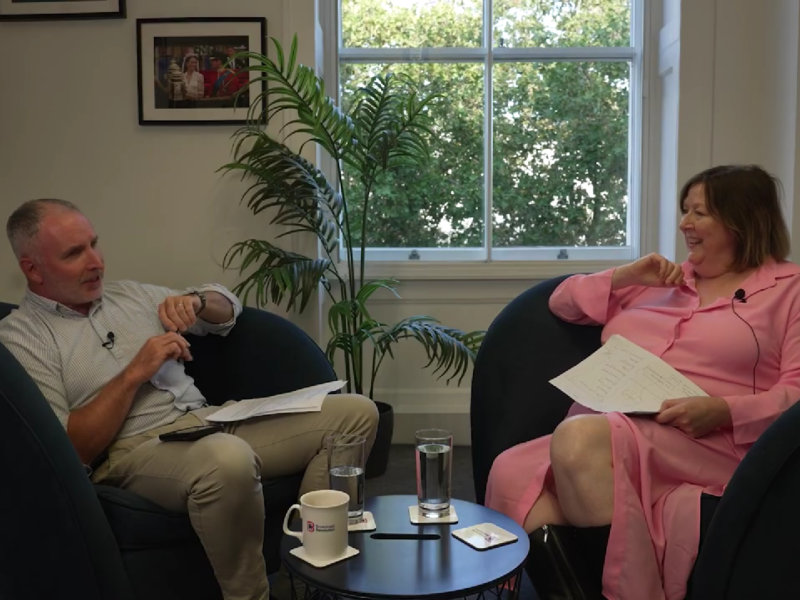
At our latest Broadcast Revolution event, we sat down with BBC producer Henry Jones, who works across Wake Up to Money on BBC Radio 5 Live, Today on Radio 4, and the Big Boss podcast. In conversation with our Head of News, Mike Young, Henry shared what makes a compelling guest, what producers look for and how business leaders can position themselves for opportunities across these programmes.
Across the three programmes, strong content is shared to reach audiences on multiple platforms. An interview with a major figure, such as the president of Microsoft, might appear on Big Boss before being used on Wake Up to Money and Today.
Wake Up to Money has evolved from a programme focused primarily on financial markets into a broader magazine programme covering money and business. The team is interested in everything from personal finance and consumer affairs to employment costs, National Insurance and AI.
Henry wants to hear from a wider range of businesses, including independent retailers, cafés and other employers who can explain how economic changes affect their day-to-day operations. The programme also has room for lighter, unexpected stories that might not fit as naturally into Today. Audience interaction is important, so stories that encourage listeners to share their own experiences are particularly valuable.
Henry highlighted an interview with Gary, an owner of a fishery in Scarborough. Asked about AI, Gary explained how he uses it across his business, from inventory management to communications. It was an unexpected example of how a major technology story is affecting everyday businesses.
As Wake Up to Money also reaches audiences through BBC Radio Wales and BBC Radio Scotland, the team wants to hear from businesses across the UK. Henry identified Northern Ireland as an area where they would particularly welcome more contributors, alongside a broader range of regional voices.
For Today, the focus is more firmly on major companies, corporate news, and investment. Henry’s preference is to secure “the biggest company you can get”, with chief executives and major newsmakers often the strongest guests. Former chief executives can also be valuable, particularly when they can speak candidly about the decisions and challenges involved in running a business.
The programme has several opportunities for business interviews during the morning. The 6.15am slot typically runs for around 11.5 minutes and may include three stories, with a market guest from Wake Up to Money among the contributors. Some mornings feature only two items, allowing an interview to run for longer. A further interview opportunity is available at around 7.15am, typically lasting five minutes.
For Henry there is one sector he wants to hear from: Supermarkets. Supermarket bosses would be a great guest for Today as there is “no better example of a business everyone uses”.
A strong interview can lead to future invitations, but guests need to offer genuine insight into their business and its wider industry. It’s important to be across the news agenda, ready to share an informed opinion on issues such as the impact of National Insurance on your business and avoid making the conversation overly promotional. Preparation is key: producers will outline the programme’s focus, but guests are expected to do their own research and arrive ready to contribute meaningfully to the discussion.
For major events such as the Budget, producers will line up several business leaders in advance to ensure they can respond to the announcements. However, the following morning offers a different opportunity. Rather than relying on pre-arranged guests, the team reviews what was announced, identifies the most interesting developments and decides which business voices can best explain what changes will mean for their sector. This is when contributors can offer particularly useful analysis, explaining what the measures mean in practice for businesses, employees, and consumers.
08/09/2026 / Broadcast Revolution HQ

16/04/2026 / Broadcast Revolution HQ
03/12/2025 / Broadcast Revolution HQ