
16/04/2026 / Broadcast Revolution HQ


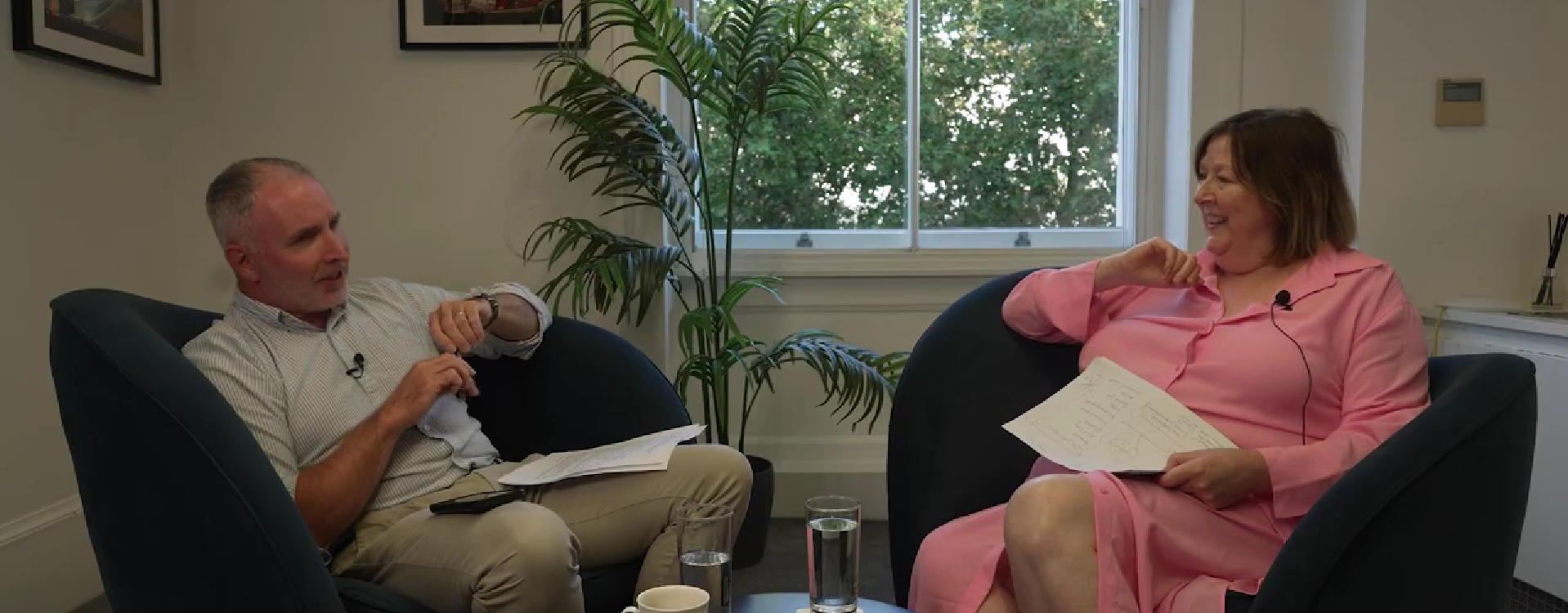
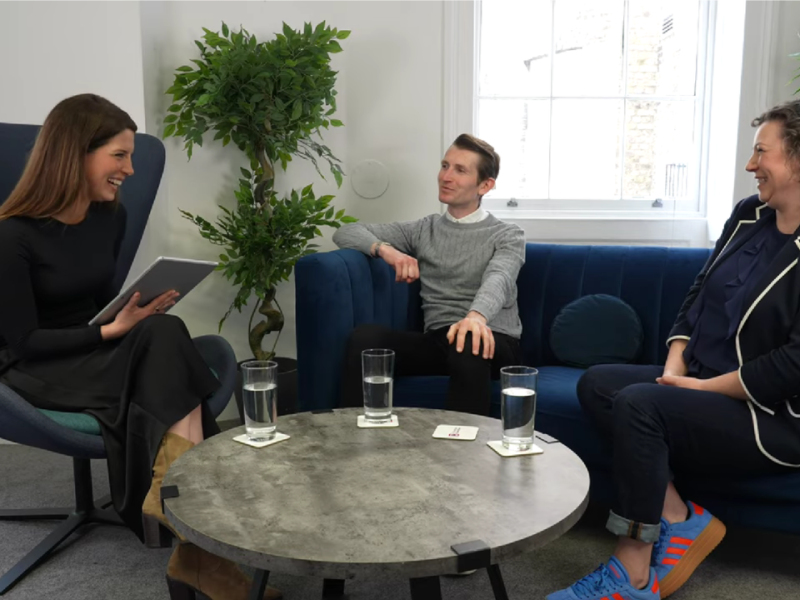
At our latest Broadcast Revolution event, we sat down with Shelagh Fogarty, presenter of the weekday afternoon show on LBC, to hear what really goes into creating three hours of live radio every day.
In conversation with our Head of News, Mike Young, who previously worked with Shelagh during her BBC Radio 5 Live days, Shelagh shared what makes a great radio conversation, what her producers are looking for from PRs, and why the best guests are often the ones who almost forget they are being interviewed at all.
Flexibility is at the heart of Shelagh’s programme.
Typically, the show might take one major subject an hour, alongside shorter news hits, but there are no strict rules around how much airtime a story should receive.
“A story can be a minute, or it can be worthy of ten minutes with two guests, or it could be an hour. It’s all about flexibility.”
If a subject is generating strong calls and conversation, the team can stay with it. Equally, a breaking story may only need a short update before the programme moves on.
For PRs, that means stories do not necessarily need to fit into a predetermined format. If the subject is strong enough and gives listeners something to engage with, there is room for the programme to run with it.
Shelagh described LBC as “political, but not always Westminster political.”
Rather than allowing the Westminster agenda alone to dictate the programme, the team follows where the listeners, callers and stories lead.
Presenters across LBC may all need to cover the same major political development, but each will approach it through a different lens. The personality and interests of the presenter are central to shaping the discussion.
Callers are equally important.
Before joining LBC, Shelagh had rarely hosted phone-ins and admitted she initially wasn’t sure whether she would enjoy them. Now, she says: “I benefit hugely from the callers.”
The move from the BBC also required a change in mindset. Having spent much of her career working within strict impartiality rules, Shelagh said it initially felt uncomfortable to give her own opinion.
Over time, she realised that genuine conversation required her to be part of the exchange too.
“Can you imagine having a conversation in real life with someone who refuses to give their opinion? I need to be fully in that conversation.”
It all feeds into LBC’s wider aim of Leading Britain’s Conversation.
For Shelagh, there is one word that matters above everything else: conversation.
A guest can be an expert, campaigner, or a case study – what matters is that they understand the subject, care about it and can talk about it naturally.
“Knowing your subject, caring about your subject… those are the bones of any good conversation.”
Experts also need to make their subject relatable. Shelagh highlighted one economist who regularly appears on the programme because they can consistently explain complicated financial stories in a way listeners understand.
“Never, ever read,” Shelagh warned. “I’ve had guests who read their answers, which means I might as well tap dance as they’ve already decided what they’re going to say.”
A spokesperson should know their key messages, but they also need to listen, react and engage with the conversation happening in front of them.
First: get to the point.
Shelagh joked that pitches beginning with lengthy introductions along the lines of “Hi, I hope you’ve had a marvellous week…” are wasting valuable inbox space.
More importantly, PRs need to know the programme they are pitching to.
“Knowing the programme itself would be vital.”
That means understanding Shelagh’s tone, the subjects she regularly engages with and how LBC approaches stories.
Data from quality research can also make a huge difference.
“We love data,” Shelagh said, recalling a statistic around one in ten graduates being NEET (not in education, employment or training) as exactly the kind of surprising figure that makes you stop and pay attention.
For charities in particular, strong statistics paired with real people and lived experience can be especially effective.
Not every conversation has to be serious.
“We don’t do much silliness anymore,” Shelagh admitted and there’s a need for that lightness of touch.
She referenced a recent hour discussing reports around mobile phone use in Wetherspoons pubs as an example of the kind of lighter topic that can unexpectedly generate brilliant radio.
In her words: who would have predicted Wetherspoons might be the thing to “bring back civilisation?”
It is another reminder that a great radio story does not always have to be the biggest story of the day. Sometimes it simply needs to make people want to join the conversation.
“Conversation, conversation, conversation.” That’s how Shelagh would summarise her approach.
Whether it is a politician, expert, campaigner or caller, the best moments on LBC happen when an interview stops feeling like an interview and becomes a genuine exchange.
As Shelagh put it: “If you listen back to the programme, you hear three different conversations, not three different interviews.”
And for PRs looking to place a spokesperson on the programme, that is arguably the most important thing to remember.
16/04/2026 / Broadcast Revolution HQ
03/12/2025 / Broadcast Revolution HQ
18/09/2025 / Broadcast Revolution HQ